CPS-F PelletizerCompact Design for Precise Pelletizing
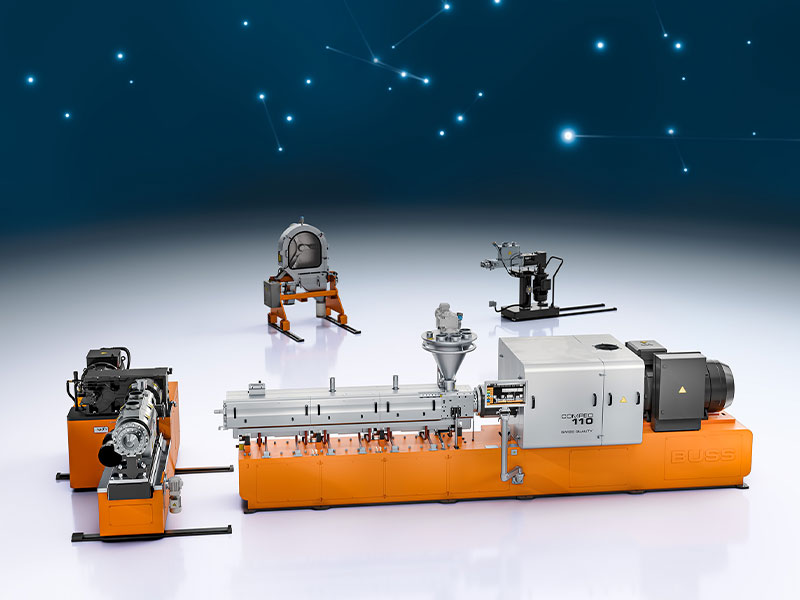
First introduced at K 2025, the new BUSS CPS-F Pelletizer generated strong interest from visitors across the plastics industry. Designed as a compact, operator-friendly solution that connects directly to COMPEO-based systems or integrates flexibly into OEM systems, the CPS-F brings flexible and efficient pelletizing, reliable cut quality, and operator friendliness together in one streamlined pelletizer.
Its development was driven by clear customer requirements. Compound manufacturers were looking for a flexible, efficient pelletizing system that provides low die pressure, gentle handling of shear-sensitive formulations, and easier integration into existing compounding plants. The CPS-F builds on the proven hot-die (dry-cut) method long used at BUSS, and we now refined it for optimized operation and compatibility with third-party integration.
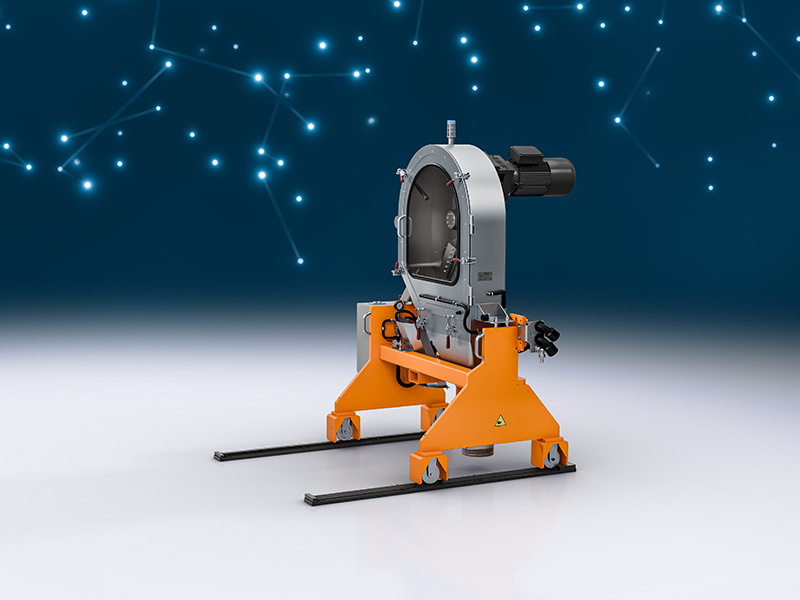
New component in the BUSS compounding system
The CPS-F was developed to enhance usability and flexibility while maintaining the robustness of the BUSS hot-die pelletizing principle.
Compared to underwater pelletizing systems, the dry-cut pelletizer allows significantly lower throughput per die hole, which keeps required die pressure substantially lower. This reduces material stress and enables gentle pelletizing of highly filled or shear-sensitive compounds.
Compact, modular, accessible
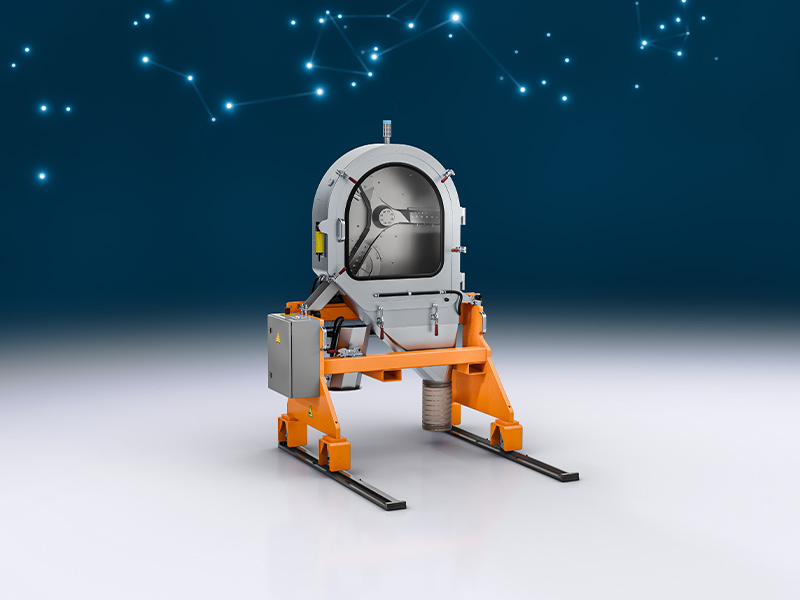
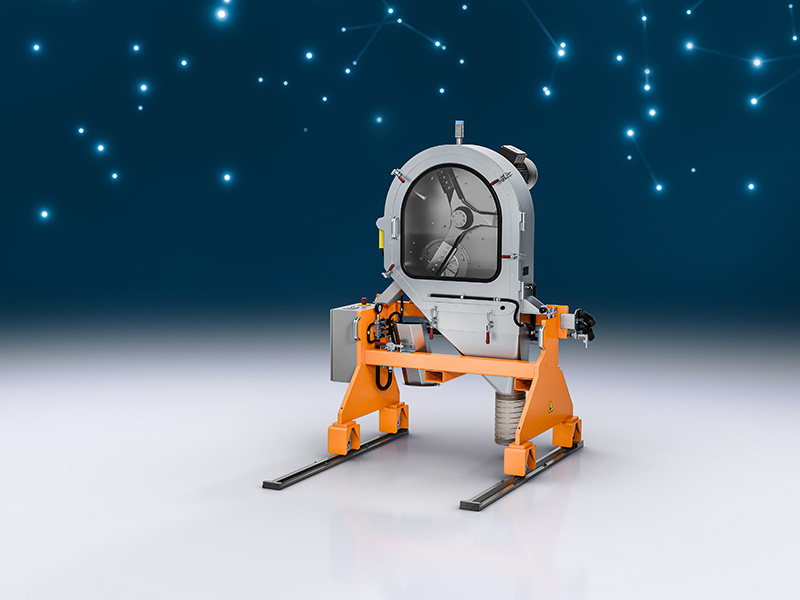
In daily operation, the CPS-F stands out for its accessibility and ease of handling.
Its large front door with viewing window provides direct access to the cutting chamber for cleaning and blade adjustment, allowing fast maintenance with clear visual process control.
The modular housing concept enables operators to reach the cutting zone quickly without dismantling the drive. Since the drive train remains connected during service, no readjustment is required during restart, which significantly speeds up maintenance work.
Depending on the product, water can be sprayed into the chamber to cool the pellet surface and help prevent agglomeration during processing.
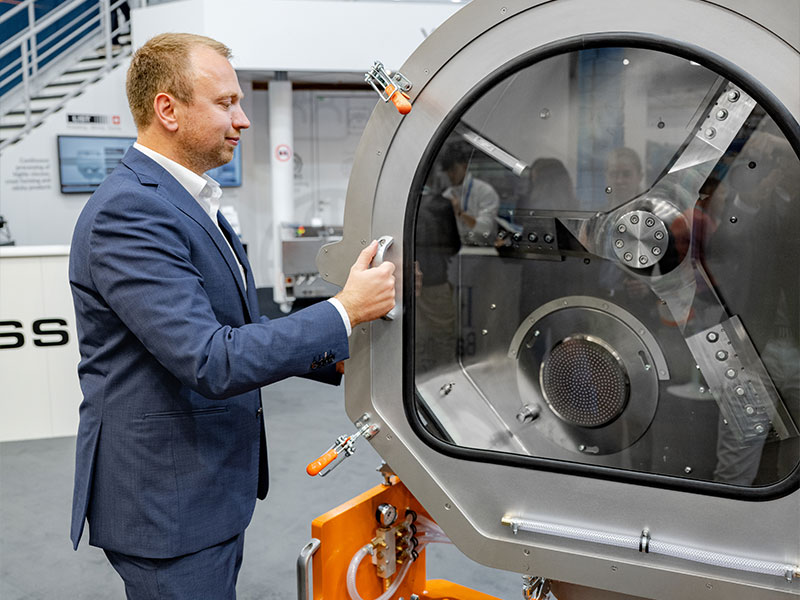
CPS-F Advantages
Efficient by design
A central performance feature of the CPS-F is the segmented, thermally compensating die plate. Its special geometry offsets thermal and mechanical deformation and ensures consistent cutting quality, even at elevated temperatures. This directly supports stable product quality across different formulations.
The rear-mounted drive layout creates space directly in front of the die plate for installing a screen changer without compromising access to the cutter. This contributes to shorter flow paths, lower overall pressure drop, and improved process stability. Compared to underwater pelletizing systems, the CPS-F achieves up to 50 percent less pressure loss, which reduces energy demand and improves performance for viscous or porous polymers.
Integrated monitoring options help maintain stable process conditions and support consistent, energy-efficient production.
Driven by BUSS process engineering excellence
The CPS-F extends the BUSS compounding solutions and integrates seamlessly into COMPEO-based systems. At the same time, it was deliberately engineered as an OEM-independent pelletizing solution. Adaptable interfaces allow customers to integrate BUSS pelletizing quality into existing production lines, regardless of the compounding system in use.
This flexibility, together with its compact design and practical usability, positions the CPS-F as a forward-looking solution for cable and performance compounds as well as viscous and porous materials. It reflects BUSS’ commitment to developing equipment that delivers long-term reliability, operator convenience, and consistently high product quality.